

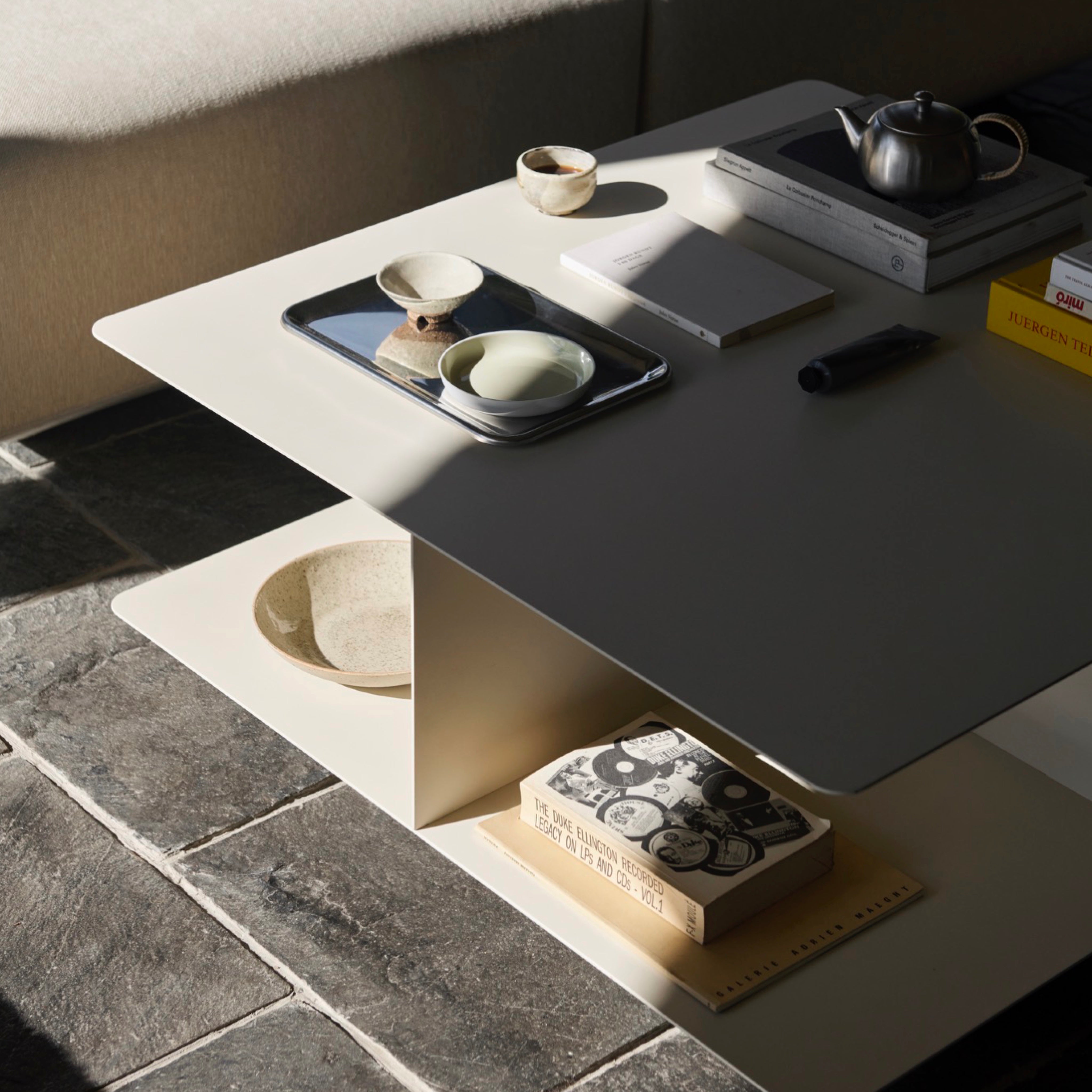
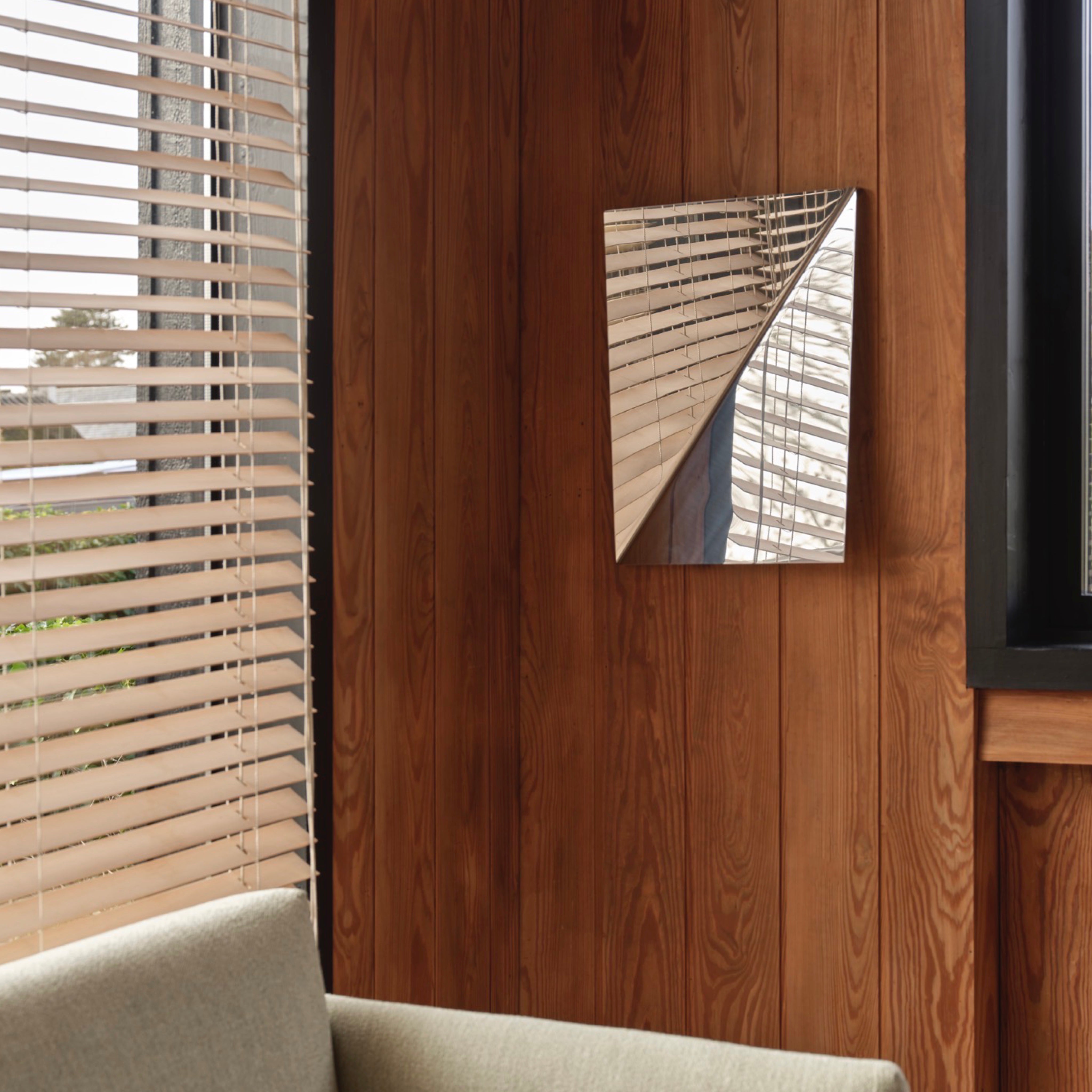

Fritz Hansen’s collection connects historic Danish furniture with contemporary designs. The company’s roots reach back to 1872, and its best-known pieces include Arne Jacobsen seating whose forms remain immediately recognisable. Choosing one still requires the same practical checks as any other piece: scale, comfort, material and use.
Why is Fritz Hansen important?
The company developed close relationships with leading Danish architects and designers, translating technically ambitious ideas into production furniture. Its archive includes dining chairs, lounge seating and tables that have remained in use across homes and public spaces.
The strongest reason to consider one of these pieces is not simply its place in design history. Long production lives make it possible to understand how a form works in different settings, but the current model, material and intended use still need to be judged on their own terms.
What is the Series 7 chair?
Arne Jacobsen’s Series 7 is a moulded-veneer chair with a compact, flowing shell and several base and upholstery options. When comparing variants, check arms, seat height, stacking guidance, upholstery and floor glides rather than treating Series 7 as one specification.
For a dining set, check the width required by the bases as well as the shells. Upholstery can improve softness for longer meals but changes maintenance and may reduce the visual lightness that first attracted you to the chair.
How does the Ant chair differ?
The Ant preceded Series 7 and has a more pinched, distinctive silhouette. Its light appearance suits compact dining and work settings, but model details and variants change over time. Compare the current dimensions and base options directly.
What are the Egg and Swan chairs designed for?
Created by Arne Jacobsen for the SAS Royal Hotel in Copenhagen, the Egg and Swan are sculptural upholstered lounge chairs. The Egg offers a more enclosing high back; the Swan sits lower and more open. Both need generous clearance and should be evaluated from every angle, not pushed automatically into a corner.
Mark their complete turning and approach space, particularly if a swivel base is part of the design. These chairs make sense when the room allows their outline to be seen and when their posture suits the activity; a famous silhouette is not a substitute for a comfortable reading or conversation position.
What other designs are worth knowing?
Poul Kjærholm’s work brings a different material language, often combining precise metal structures with leather, cane or stone. Contemporary pieces broaden the range further. Select by room and function rather than by fame alone.
How should you choose upholstery and finishes?
Many designs are offered in several veneers, colours, textiles and leathers. These alter both price and character. Request samples, check natural variation and confirm the exact product code, lead time and care requirements.
View a sample beside the flooring and any nearby timber rather than trying to match from a screen. Related woods do not need to be identical, but their undertones and finish should feel deliberate. For replacement or additional chairs, confirm whether the original finish remains current.
Choosing Fritz Hansen at kin.
An icon should still be the right chair or table for the job. Check dimensions, test comfort where possible and choose a finish that will work with the room over time.
Explore enduring Danish furniture. Shop our Fritz Hansen collection, or contact us to compare models and finishes.


