

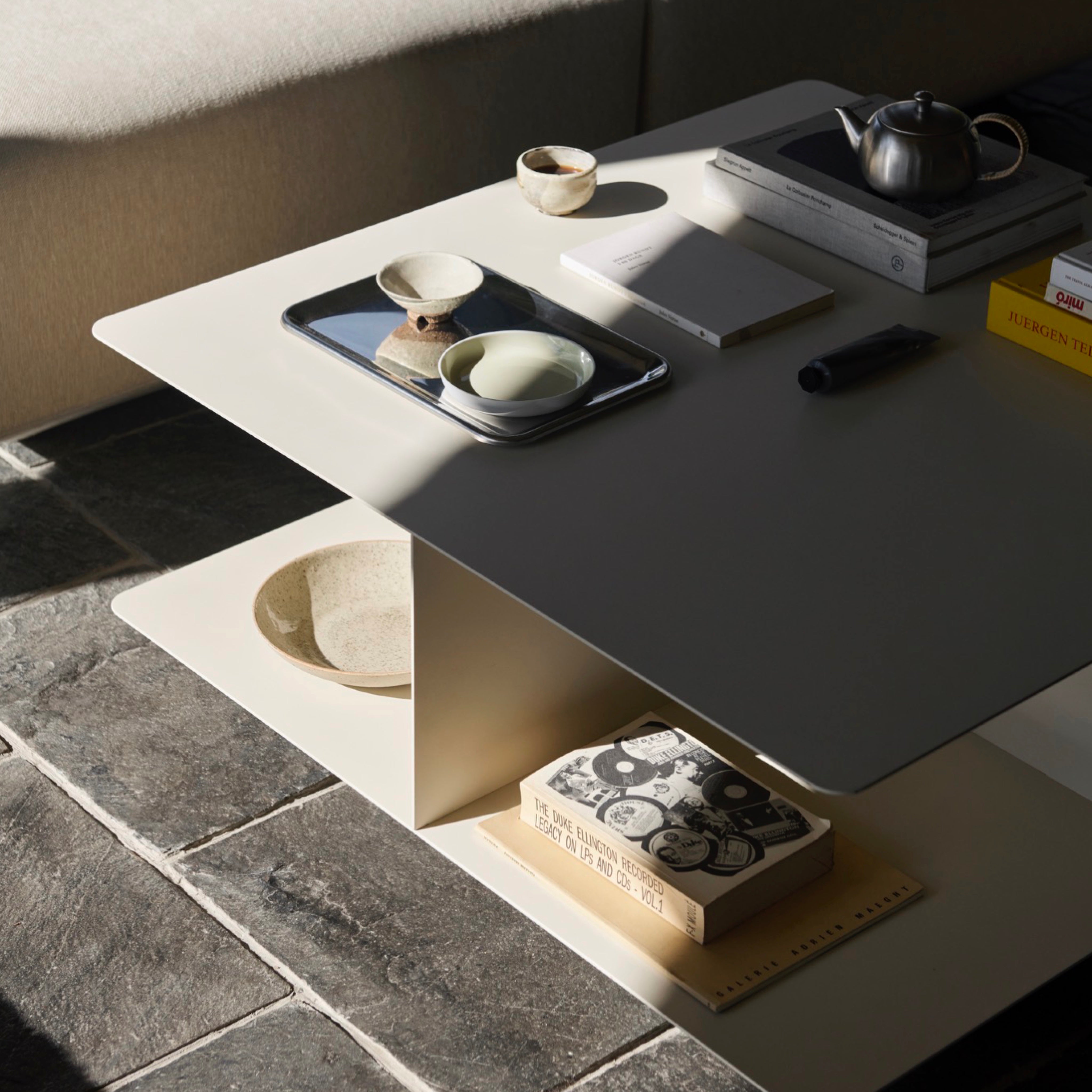

Sofa cushions should make sitting more comfortable and bring colour or texture where it is useful. A few well-chosen sizes generally work better than filling every corner, particularly on a compact or already deeply cushioned sofa.
How many cushions does a sofa need?
Begin with the people who need to sit there. Cushions should not reduce the usable seat or require moving every time someone sits down. A two-seat sofa may need only two or three; a larger sectional can support more varied groupings.
Start with fewer than you think you need and live with the arrangement. A sofa with loose back cushions may already provide plenty of softness, while a firm, deep sofa can benefit from additional support. Empty corners are not a problem if the seats remain more usable.
Which sizes work together?
Use one larger cushion to provide support, then add a smaller square or lumbar shape where useful. Check the dimensions rather than relying on photographs, and compare them with the sofa’s back height and seat depth.
As a simple arrangement, place the larger cushion behind and the smaller one slightly forward rather than lining every edge up. On a long sofa, repeat a size or fabric at the opposite end to connect the groups without making them mirror images.
What filling feels right?
Different fillings vary in weight, softness and how often they need reshaping. A fuller, softer cushion creates a relaxed appearance; a firmer insert offers more structured support. Follow the care instructions and choose based on function as well as looks.
The insert should suit the cover rather than simply being made as full as possible. Overfilling can distort seams and make a cushion hard; an undersized insert looks flat and shifts inside the cover. If the cushion will support the lower back, consistent resilience matters more than a soft showroom feel.
How should colours and patterns be combined?
Repeat a tone already present in the rug, artwork or upholstery, then introduce contrast through scale or texture. Combining every cushion in a different bold pattern can feel restless; a quieter base allows one stronger design to stand out.
Which fabrics are practical?
Consider direct sunlight, pets, children and frequency of use. Check whether covers are removable, whether professional cleaning is required and whether the textile is suitable for the intended setting. Outdoor cushions should only be used and stored as their maker directs.
How do cushions affect sitting comfort?
A lumbar cushion can support a deep sofa for a shorter sitter, while a large cushion may make an already shallow seat too upright. Treat cushions as a way to fine-tune comfort, not simply as decoration.
Try the cushion in the position where the body needs support: behind the lower back, beneath an elbow or at the end of an open sofa. If it solves no comfort problem and has to be removed before sitting, it is probably adding visual clutter rather than value.
Choosing sofa cushions
Keep the seat usable, vary size with purpose and choose textiles for real life. Add slowly; it is easier to identify what the sofa still needs.
Add comfort, colour and texture with restraint. Choose cushions in relation to our sofas and rugs, or browse the current soft-furnishings selection.


