

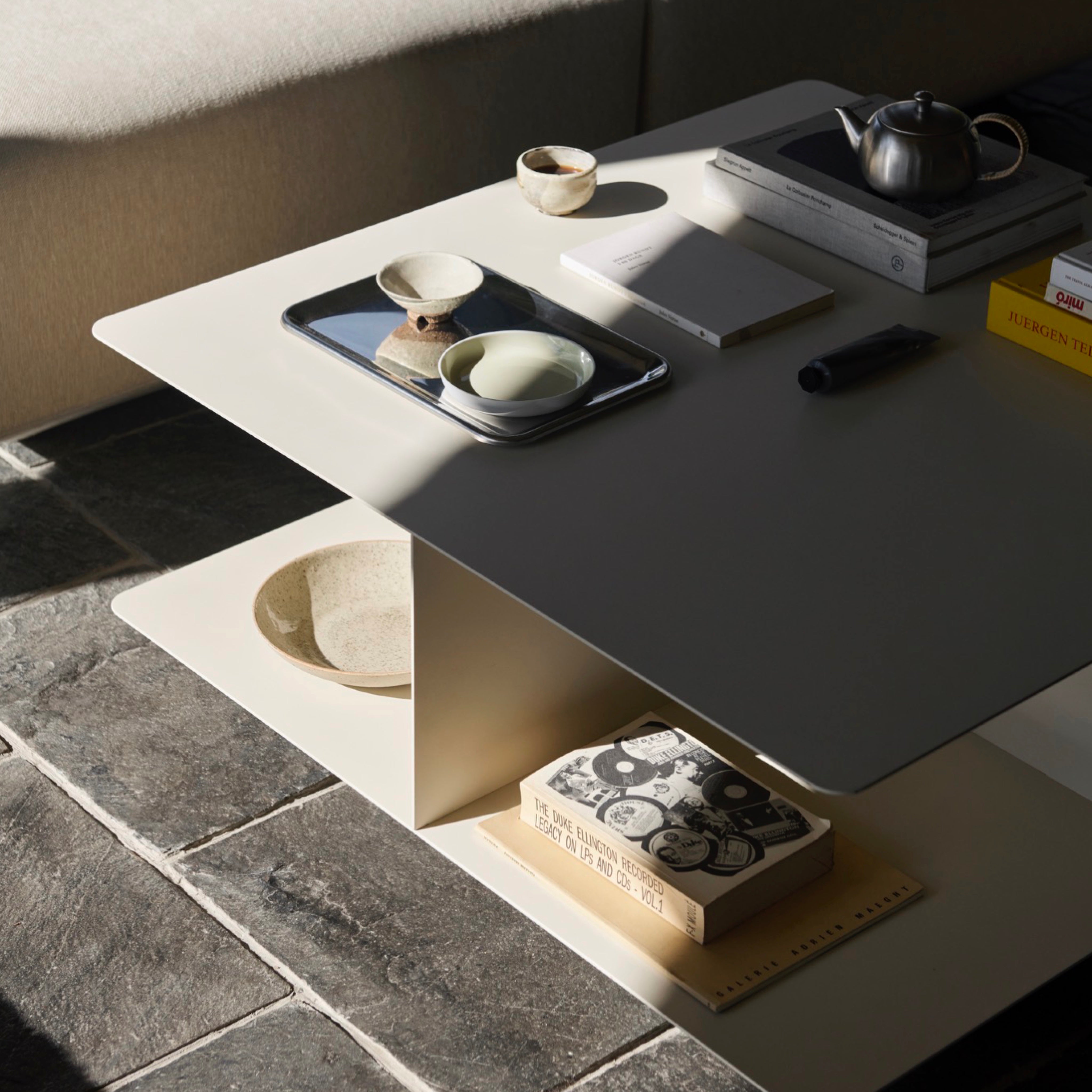
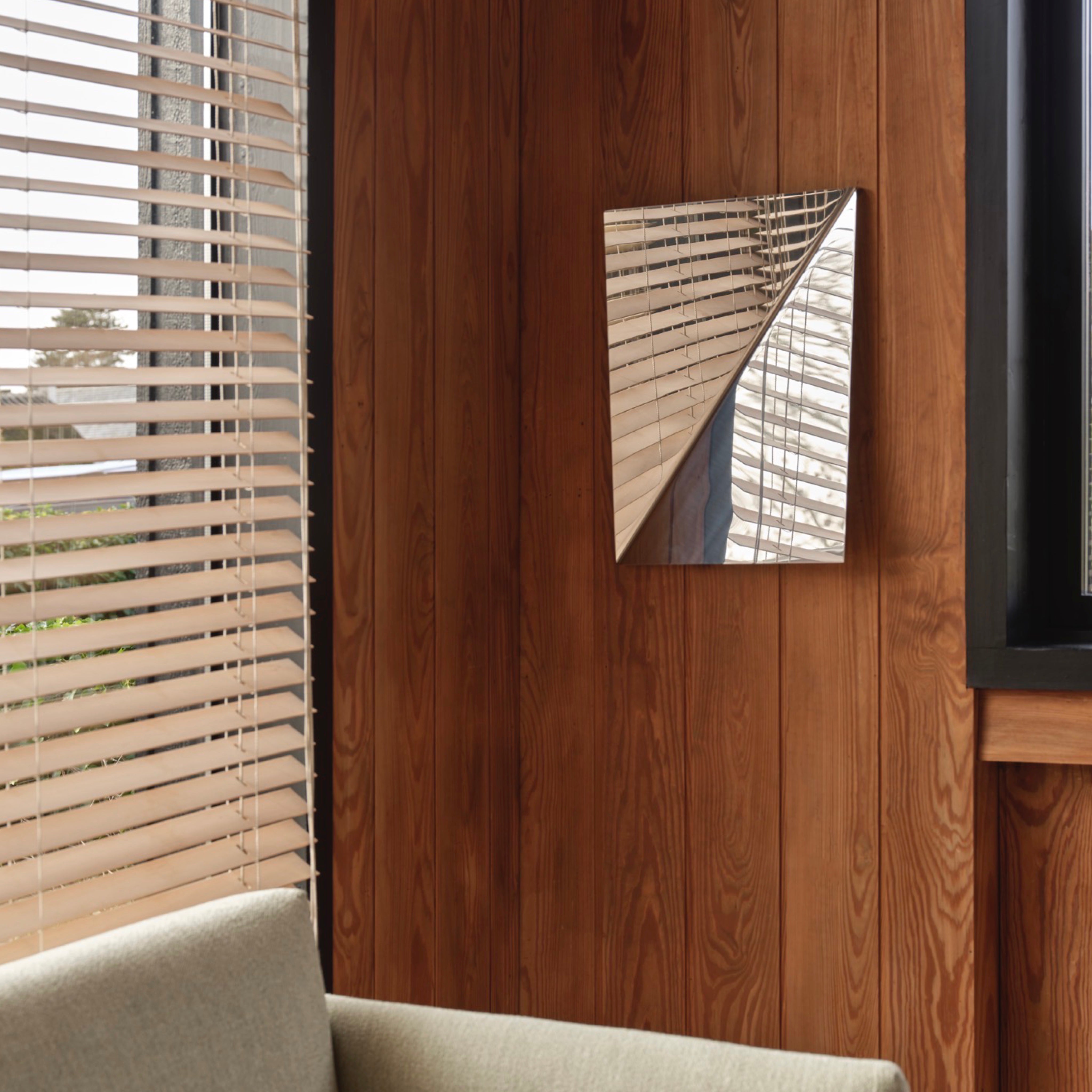

A floor lamp can light a reading chair, brighten a dark corner or provide a softer alternative to ceiling lighting. Its height and reach make it part of the furniture layout, so the first decision is not simply how it looks, but where the light needs to go.
What type of light do you need?
A shaded floor lamp usually creates gentle local light. An adjustable reading lamp directs light towards a chair or desk. An uplighter reflects light from the ceiling to brighten a wider area. Choose the function before comparing forms.
Look at what is already doing the other jobs. If the room has strong general light, a precise reading lamp may fill the real gap. If it feels flat after dark, a shaded or upward-facing source can add depth without becoming another task fitting.
Where should a reading lamp sit?
Place it beside or slightly behind the chair so the light reaches the page without shining into your eyes. Check whether the shade or arm can move and whether the lamp can approach the chair without its base obstructing your feet.
Test the position from both sides of the chair if more than one person uses it. The lamp should remain reachable without twisting, and moving the shade should not bring a hot surface or bright source close to the sitter.
How much floor space does it need?
Measure the base and the lamp’s maximum reach. An arched or angled design may project far beyond its footprint. Mark both on the floor and preserve a clear route through the room.
Check stability as well as size. A heavy base can make an offset lamp secure but difficult to reposition; a light, narrow lamp is easier to move but needs a protected position in a busy household. Include the shade when checking door swings and nearby curtains.
What height works in the room?
Height affects both the spread of light and whether the source is visible when seated or standing. Compare the shade position with nearby chairs and sofas. A tall, broad lamp can balance substantial furniture, while a slim upright design may be better in a compact corner.
Which controls and bulb should you choose?
Check where the switch or dimmer is located and whether it remains accessible from the seat. Confirm the required bulb, maximum wattage and dimming compatibility, or the replacement provisions for an integrated LED.
Consider how the lamp will be used with the rest of the room. Independent control lets it stay on when the ceiling light is off, while dimming provides useful range between reading and quieter background light. Confirm that the chosen bulb and control are designed to work together.
How should cables be managed?
Plan a route to the socket that does not cross a doorway or main walkway. Do not place cable beneath rugs unless the product and installation guidance specifically allow it. Stability matters in busy households, so consider the base position around children and pets.
Choosing a floor lamp
Identify the lighting job, measure the complete reach and check the view of the light source from the relevant seats. Then compare finish and form with the surrounding furniture.
Add useful light at the right height. Explore our floor lamps, or contact us for help with specifications and placement.


